

Not every ingredient on a menu is highlighted in bold type. Some are mentioned almost in passing—in parentheses or as part of a longer description—without the diner pausing to consider the cultural significance they carry.
Vanilla from a single source
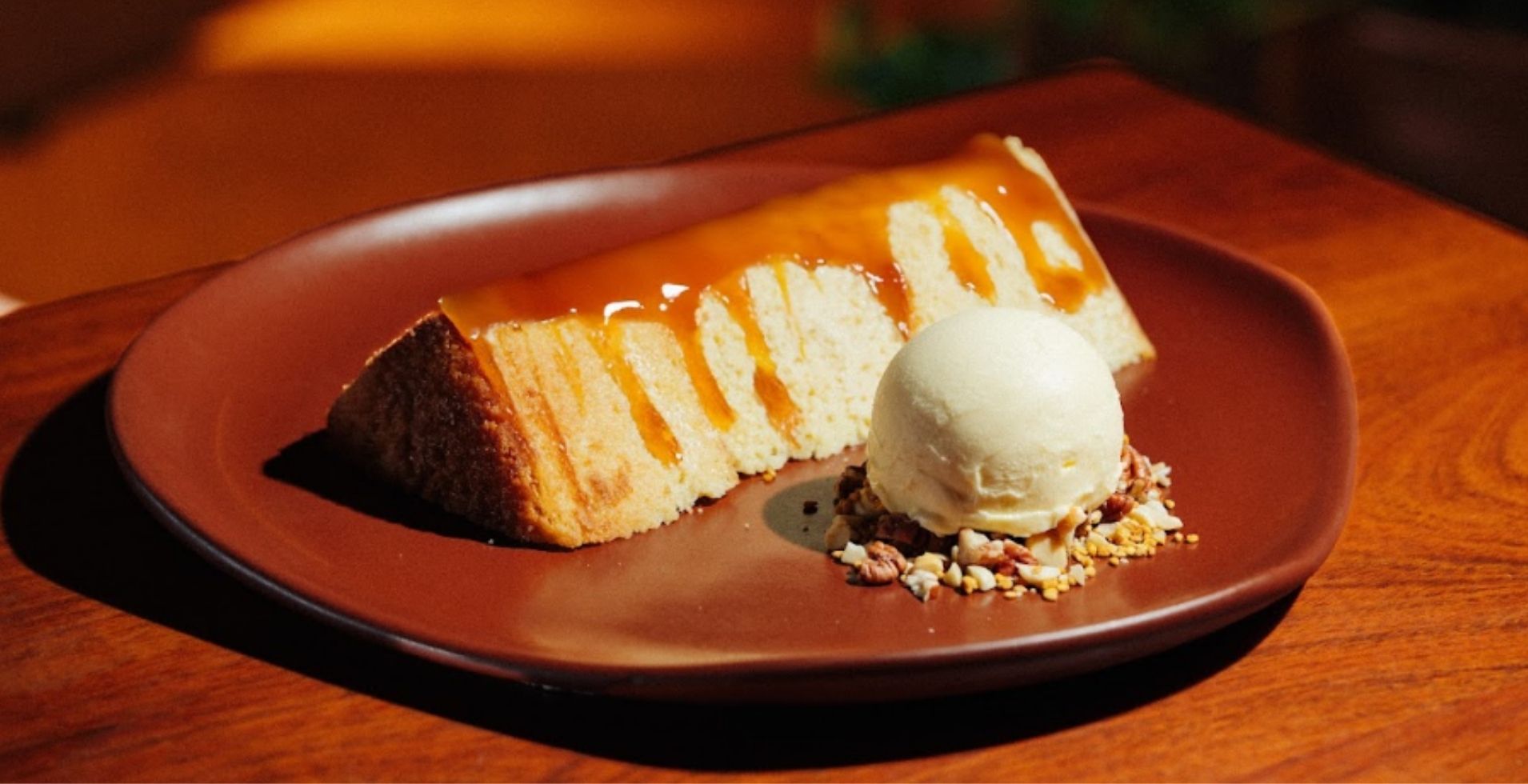
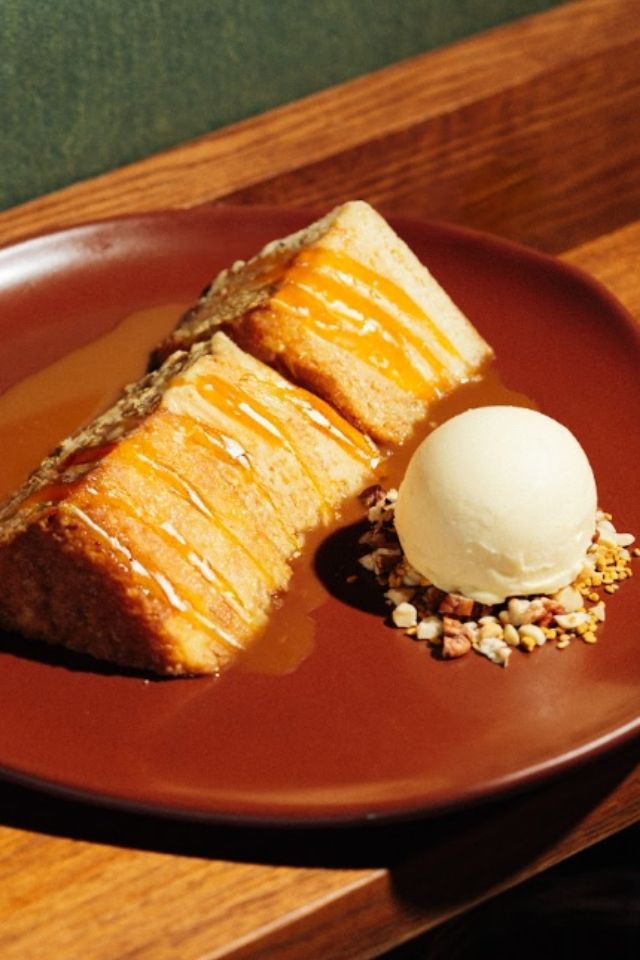
The Papantla vanilla found in the ice cream accompanying the Pan de Elote (corn cake) and in the Ice Cream Tasting is no ordinary vanilla. Papantla, in Veracruz, is one of the regions most historically associated with the cultivation of this ingredient worldwide.
Coffee that defines a dessert’s identity
The Chiapas coffee syrup featured in the Pan de Chocolate Ancestral (Ancestral Chocolate Cake) connects directly to one of Mexico’s most renowned coffee-growing regions, offering a flavor profile that goes far beyond a simple sweet syrup.
Chapulines and escamoles: pre-Hispanic tradition on the plate
The Oaxaca cocktail includes chapulines (grasshoppers) among its ingredients, while the Rib Eye Huarache with Escamoles incorporates escamoles (ant larvae)—an ingredient with pre-Hispanic roots that few contemporary kitchens dare to keep on the menu.
The chicatana: the understated star of a prime cut
The chicatana (leaf-cutter ant) butter accompanying the Caña de Filete (beef tenderloin) features an insect that, in several regions of Mexico, is harvested during only one specific season of the year, making it a rare ingredient even outside the restaurant.
Why they are worth noticing
Behind each of these ingredients lies a region, a tradition, and often a craft passed down from generation to generation. The next time you see them mentioned in a dish, it is worth reading the description twice before ordering.
