
Some tables are improvised. Others, however, are intentionally planned from the very first order. It’s not about ordering more, but about understanding how each choice fits with the next. A well-thought-out table setting isn’t immediately apparent. It becomes clear as the meal unfolds.
Balance begins before the first course
It all starts with a key decision: don’t overwhelm.
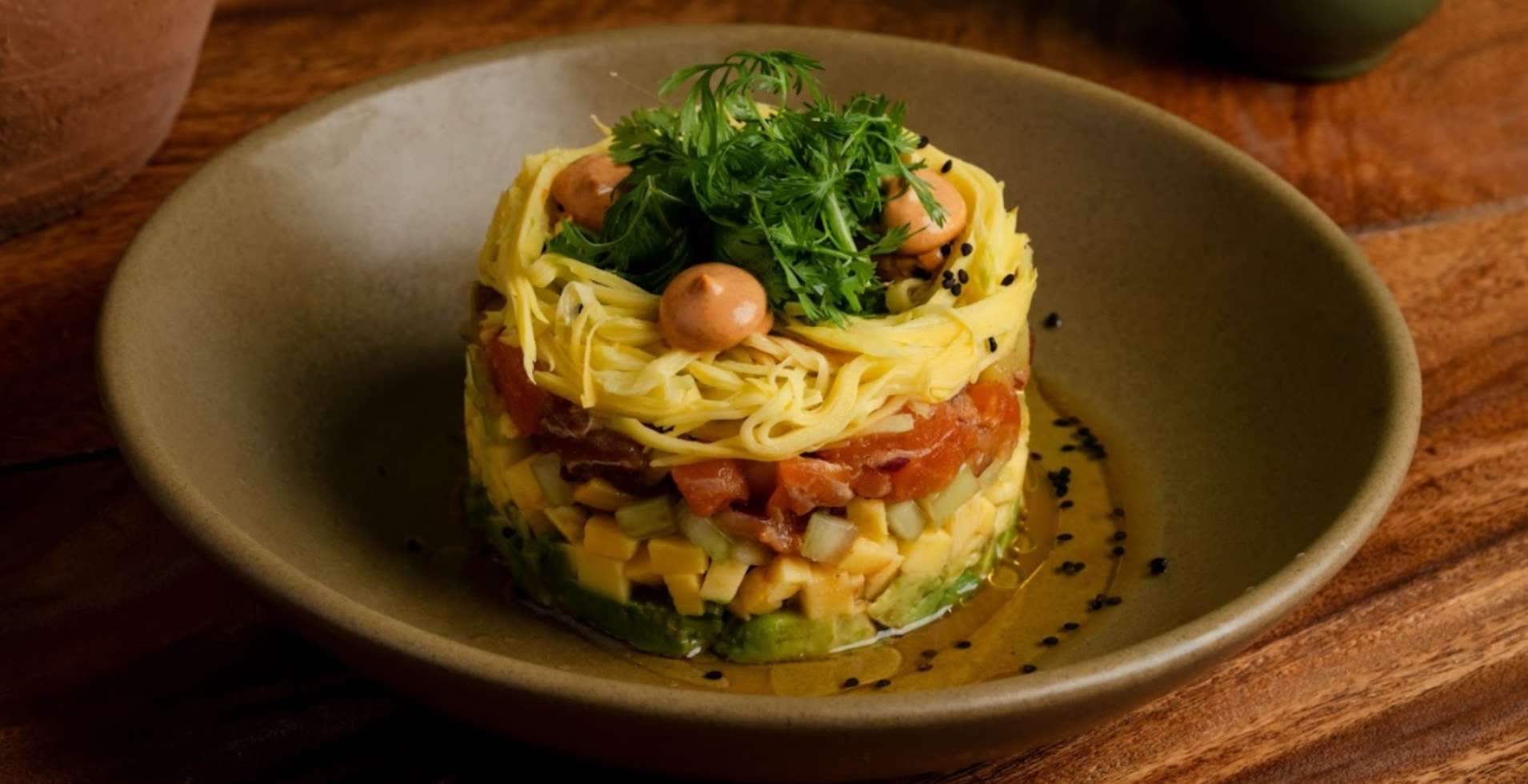
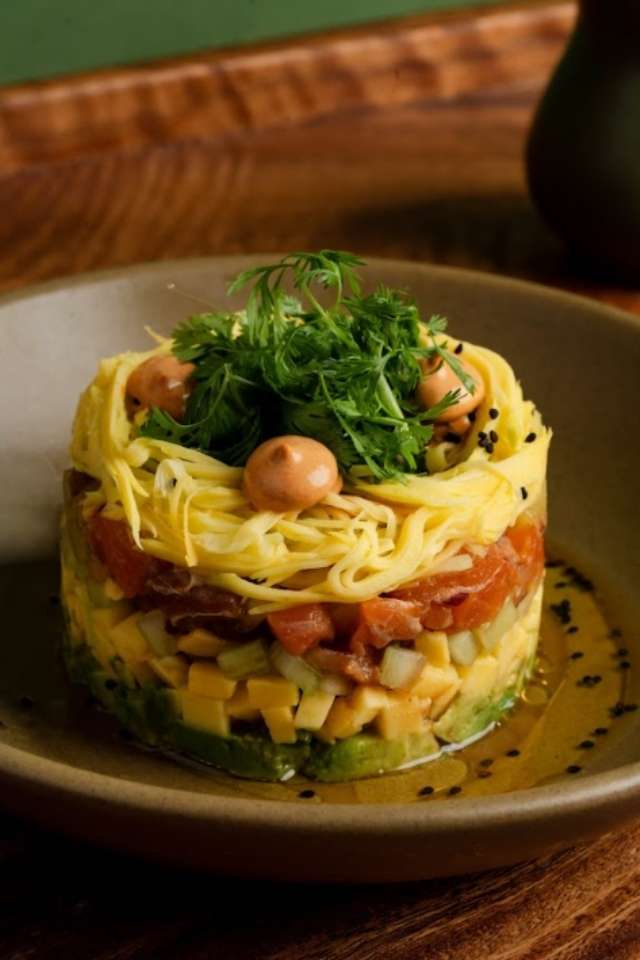
Instead of concentrating similar flavors, the logic lies in opening up the experience. A fresh start like a New York Strip Steak cooked on a stone prepares the palate without overwhelming it, while something more structured, like a Salmon and Tuna Tower with Mango, introduces depth without closing off options.
The idea isn’t to fill the table. It’s to give it direction.
Sharing isn’t dividing, it’s building
Food meant for sharing has its own dynamic. It’s not about portions in the center, but about how they interact with each other. A well-served Guacamole with Rib Eye Chicharron completely changes the rhythm. Not only for what it contains, but for what it evokes: pauses, conversation, decisions made together.
Alongside it, options like Garlic Mushroom Quesadillas provide contrast, lightness, a respite from more intense flavors.
Thus, the table ceases to be a mere collection of dishes and becomes a system.
The point where everyone chooses
After the central offering, it’s time for individual choices.
Here, the restaurant menu opens up to more personal selections. A Rib Eye Huarache with Escamoles offers a complete experience, with layers of flavor that don’t need excessive accompaniment. Meanwhile, a Grilled Marinated Arrachera maintains a cleaner, more direct approach.
Not everyone is looking for the same thing, and that’s perfectly fine. The table supports this.
The details that adjust the rhythm
Between one dish and the next, there are elements that aren’t always planned, but that make all the difference.
Porfirio’s Potatoes, Grilled Vegetables, even the simple act of reheating tortillas. These are gestures that keep the experience moving, that prevent the table from stagnating.
They don’t draw attention, but they support everything else.
When the experience takes its own course
There’s a point where the planning ceases to be visible.
The table flows. The dishes arrive at the right moment, decisions are no longer questioned, and conversation takes hold. In locations like Polanco, Coyoacán, or Cancún, that moment often coincides with a change in ambiance: the music, the lighting, the overall rhythm of the place.
Everything aligns effortlessly.
Planning the table is part of the ritual
It’s not all about cravings, but cravings remain an essential part.
The difference lies in how it’s arranged. In understanding that a good Mexican meal doesn’t depend on a single dish, but on how the entire experience is constructed.
Because when the table is well-planned, it doesn’t need explaining. You can feel it.
